Learning disabilities and autism
Support for adults aged 18 and over with learning disabilities, autism and other neurodevelopmental needs, delivered across Home Care, Supported Living and community-based services.
Everything starts with the person: how they communicate, what a good day looks like, and the outcomes they want for themselves.
Everyday life
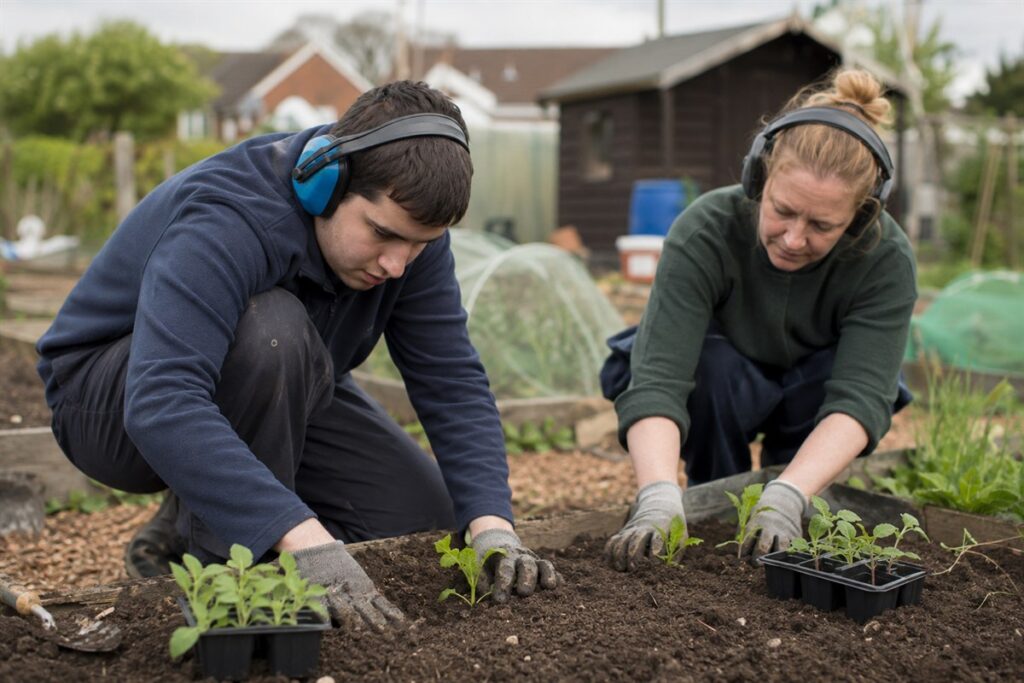
Support covers the practical shape of the day: communication, sensory needs, routines, relationships, life skills and getting out into the community.
We support people to do what they can for themselves, and to make their own decisions about how and when help happens.
Who is supported
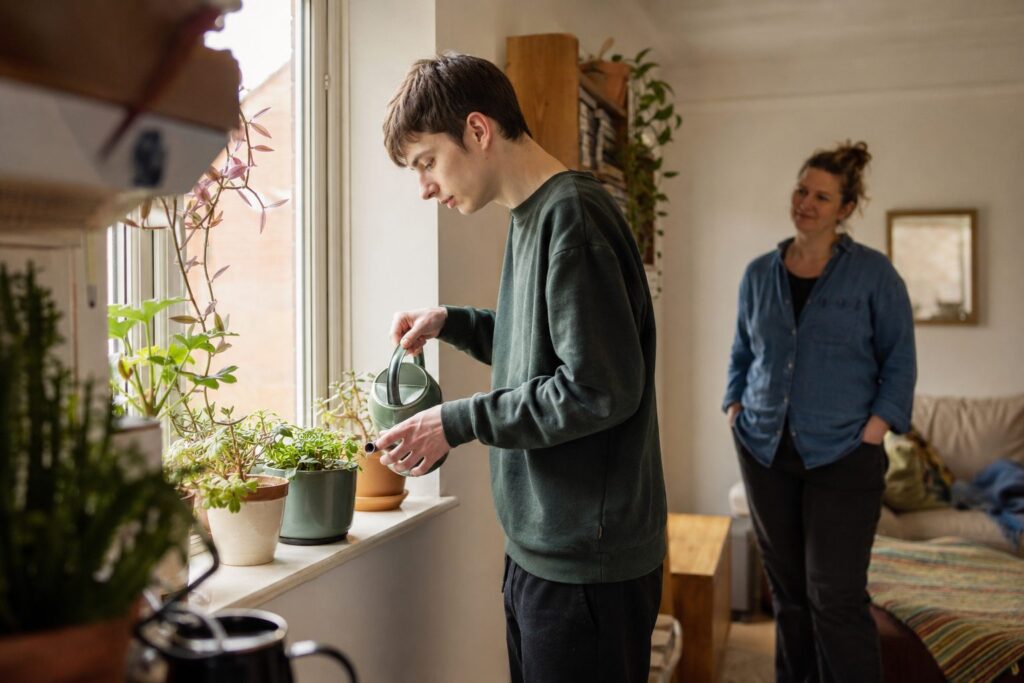
Support is planned around the person and their circumstances rather than a diagnostic list.
What support covers
Six areas that shape most packages, agreed with the person at assessment.
Cooking, budgeting, laundry, travel and the practical skills that make independence possible.
Using the approaches that work for the person, whether that is speech, signing, symbols, objects or technology.
Adapting environments, routines and pace so the day is manageable rather than overwhelming.
Real choice about how the day runs, and support towards the goals the person has set.
Keeping and building friendships, interests and a place in the local community.
Support towards college, training, volunteering or work where that is what the person wants.

Positive behaviour support
Behaviour communicates something. PBS starts by understanding what it may be telling us, then improves quality of life so the person has better ways to be heard.
Plans are proactive and built collaboratively with the person, their family and the professionals around them, using the least restrictive approach that keeps everyone safe. Where appropriate we work in partnership with Thrive Behaviour Support Services.
Partnership
A plan only works if the people who know the person are part of building it.
The person’s own view comes first, alongside the people who know them best.
Our PBS Leads and practitioners support assessment, planning, staff coaching and review.
Partnership working with Thrive where specialist behaviour support input is appropriate.
Commissioners, psychologists, speech and language therapists and other professionals involved in the person’s care.
Rights and dignity
Support has to hold rights at its centre, not treat them as an afterthought.
A personal assistant approach
Where appropriate, support is not simply about completing tasks. It is about the person’s own journey and the life they are building.
What that includes is decided with the person, and changes as their goals change.
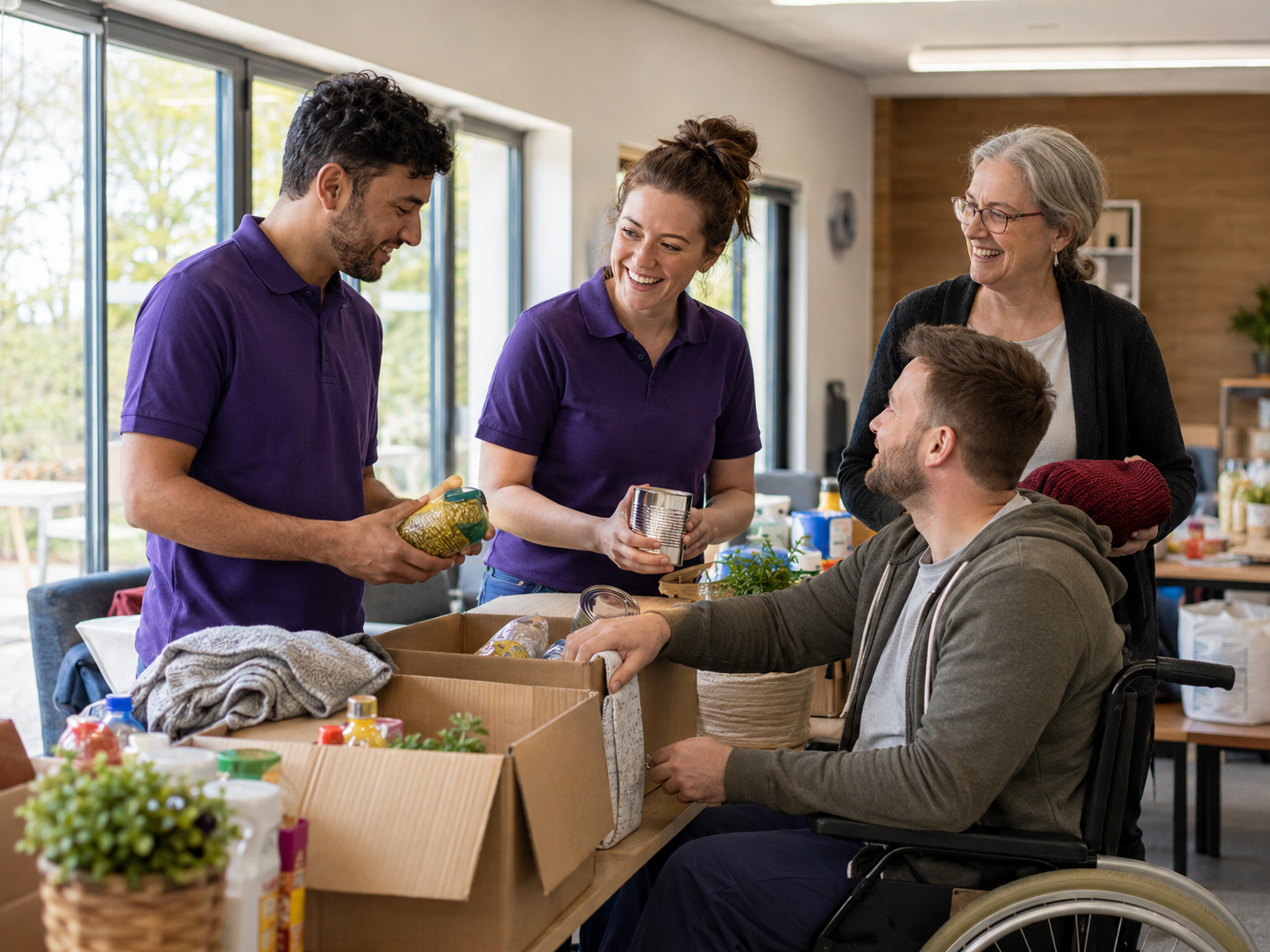
Tell us about the person, how they communicate and what they want their life to look like. We will explain the options and give an honest response about assessment, capacity and next steps.
Support questions
Adults aged 18 and over with learning disabilities, autism and other neurodevelopmental needs, including people with communication needs, sensory needs, mental health needs or complex health needs alongside these.
PBS focuses on understanding what behaviour may communicate, improving quality of life, and building proactive, person-centred strategies that use the least restrictive approach.
Yes, where specialist behaviour support input is appropriate. Partnership working is agreed as part of the plan.
Across Home Care, Supported Living and community-based services, depending on what suits the person and what has been agreed.
We use the approaches that work for the person, which may include speech, signing, symbols, objects of reference or communication technology, and record what helps so the team is consistent.
Call 01934 416585, email enquiries@ultimate-complex-care.co.uk or use the referral form on this website.
Make a referral
Tell us about the support required and our team will contact you to discuss the next steps.
See our Privacy Policy for how we handle your information.