
Adults aged 18 and over
Ultimate Complex Care supports adults aged 18 and over across the full spectrum of adult community care—from everyday Home Care and companionship to Supported Living, specialist Complex Care and delegated healthcare support where appropriate.
We work with young adults transitioning into Adult Services, working-age adults, older adults, people with lifelong disabilities and people whose health or support needs change later in life. Support always begins with the person—their goals, preferences, communication, strengths and desired outcomes.

Support across adult life
People are more than a diagnosis or age group. We consider the person’s health, abilities, communication, relationships, routines, environment and goals before planning support.
Including people aged 18 and over moving from Children’s Services into Adult Services.
Including people with lifelong disabilities, acquired conditions, complex health needs or changing social care needs.
Including people who develop dementia, neurological conditions, physical health needs or require additional support to remain independent.
Everyday support at home
Not everyone needs highly complex support. We provide flexible, personalised Home Care for adults aged 18 and over who may need help with personal care, medication support, meals, domestic tasks, shopping, companionship, welfare visits, respite, overnight care or community access.
Support is planned around each person’s routines and preferences, helping them remain safe, connected and as independent as possible in their own home.

Learning disabilities and autism
We support adults with learning disabilities, autism and other neurodevelopmental needs across Home Care, Supported Living and community-based services.
Support may include communication, sensory needs, routines, emotional wellbeing, daily living skills, relationships and meaningful community participation. Where appropriate, Positive Behaviour Support helps us understand what behaviour may communicate, improve quality of life and develop proactive, least restrictive support.


Mental health support
We support adults living with enduring mental health conditions, including people whose mental health needs sit alongside disability, physical health needs or complex social circumstances.
Our approach is recovery-focused, person-centred and trauma-informed. Support may focus on safety, routines, relationships, emotional wellbeing, community participation and greater independence. Where relevant, staff learning and risk management include suicide and self-harm awareness, alongside partnership working with healthcare professionals.
Complex physical health
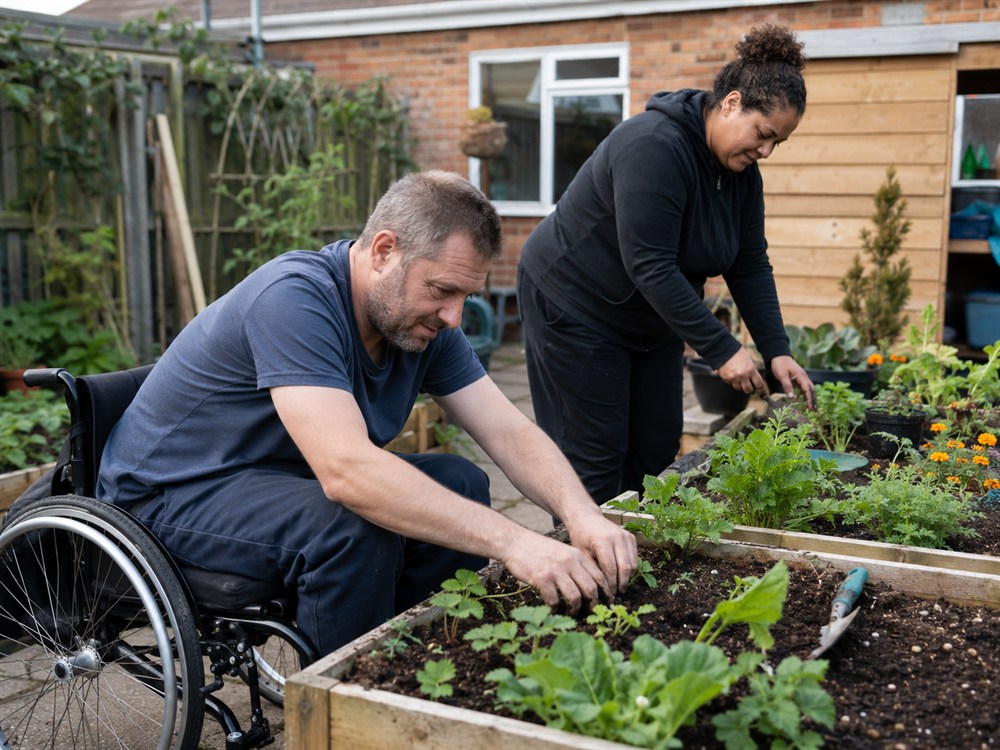
We support adults with complex physical health needs, physical disabilities, long-term conditions, high-dependency needs and changing levels of independence.
Where a delegated healthcare task forms part of an agreed care plan, appropriately trained and competency-assessed colleagues work within defined protocols, with Registered Nurse leadership and clinical oversight where applicable. We work alongside relevant NHS and healthcare professionals and do not replace GPs, District Nurses, specialist nurses or other clinicians.
Neurological and cognitive support
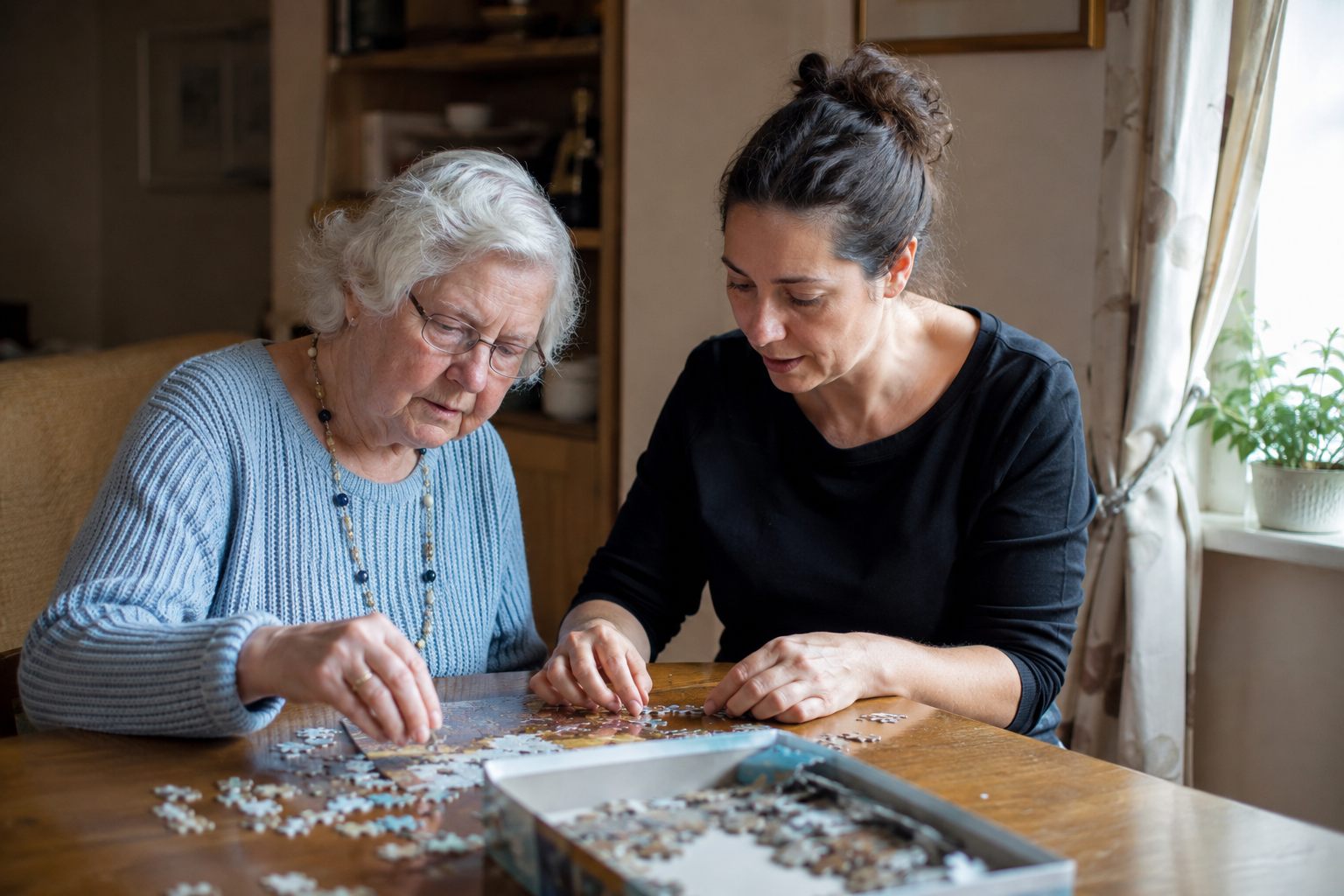
We support adults living with acquired brain injury, epilepsy, dementia, Alzheimer’s disease and progressive neurological conditions.
Support is adapted to changes in cognition, communication, mobility, fatigue, seizure risk, routines and independence. We work with each person, their family and relevant professionals to provide consistent, responsive support at home and in the community.
Physical and sensory disabilities
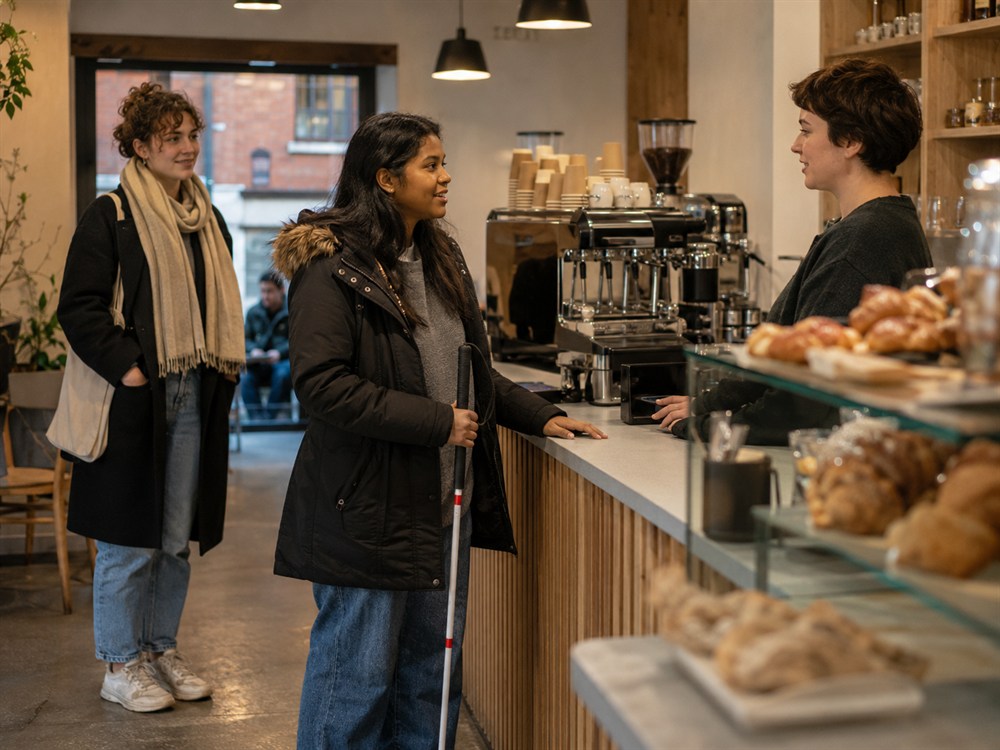
We support adults with physical disabilities, sensory impairments and mobility needs to maintain independence, exercise choice and participate in everyday life.
Support may include accessible communication, mobility assistance, personal care, daily living activities, appointments, education, employment and community access. Every plan is adapted to the person’s preferred communication and way of living.
Transition to adult services
We support young people aged 18 and over moving from Children’s Services into Adult Services. Early, coordinated planning helps maintain continuity and gives the young person and their family time to understand the available options.
We work with the individual, their family, commissioners and professionals to promote independence, develop life skills, maintain important relationships and support meaningful community participation.

Person-centred support
A diagnosis may help explain a person’s needs, but it never defines who they are. We build support around the individual—their communication, culture, identity, relationships, routines, strengths, preferences and goals.
We listen to the person and those who know them well, use accessible communication and review support as circumstances change.
Whether you are seeking support for yourself or someone else, or making a professional referral, our team will listen, explain the available options and give an honest response about assessment, capacity and next steps.
Support questions
We support adults aged 18 and over, including young adults transitioning from Children’s Services, working-age adults and older adults. There is no upper age limit, and needs range from everyday Home Care through to specialist Complex Care.
Yes. Home Care is a core part of what we do, covering personal care, medication support, meals and domestic tasks, companionship, community access, respite and overnight care.
Yes. We support adults with learning disabilities, autism and other neurodevelopmental needs across Home Care, Supported Living and community-based services, with Positive Behaviour Support where appropriate.
Yes. Transition to Adult Services is a distinct service area. We plan early with the young person, their family, commissioners and professionals so support continues without disruption.
Yes. Where a delegated healthcare task forms part of an agreed care plan, competency-assessed colleagues work within defined protocols, with Registered Nurse leadership and clinical oversight where applicable. We work alongside NHS clinicians rather than replacing them.
Yes. We support older adults and people living with dementia, Alzheimer’s disease and progressive neurological conditions, adapting support as cognition, mobility and routines change.
Make a referral
Tell us about the support required and our team will contact you to discuss the next steps.
See our Privacy Policy for how we handle your information.